Karmi’s Story: Finding light after dark
August 20, 2026

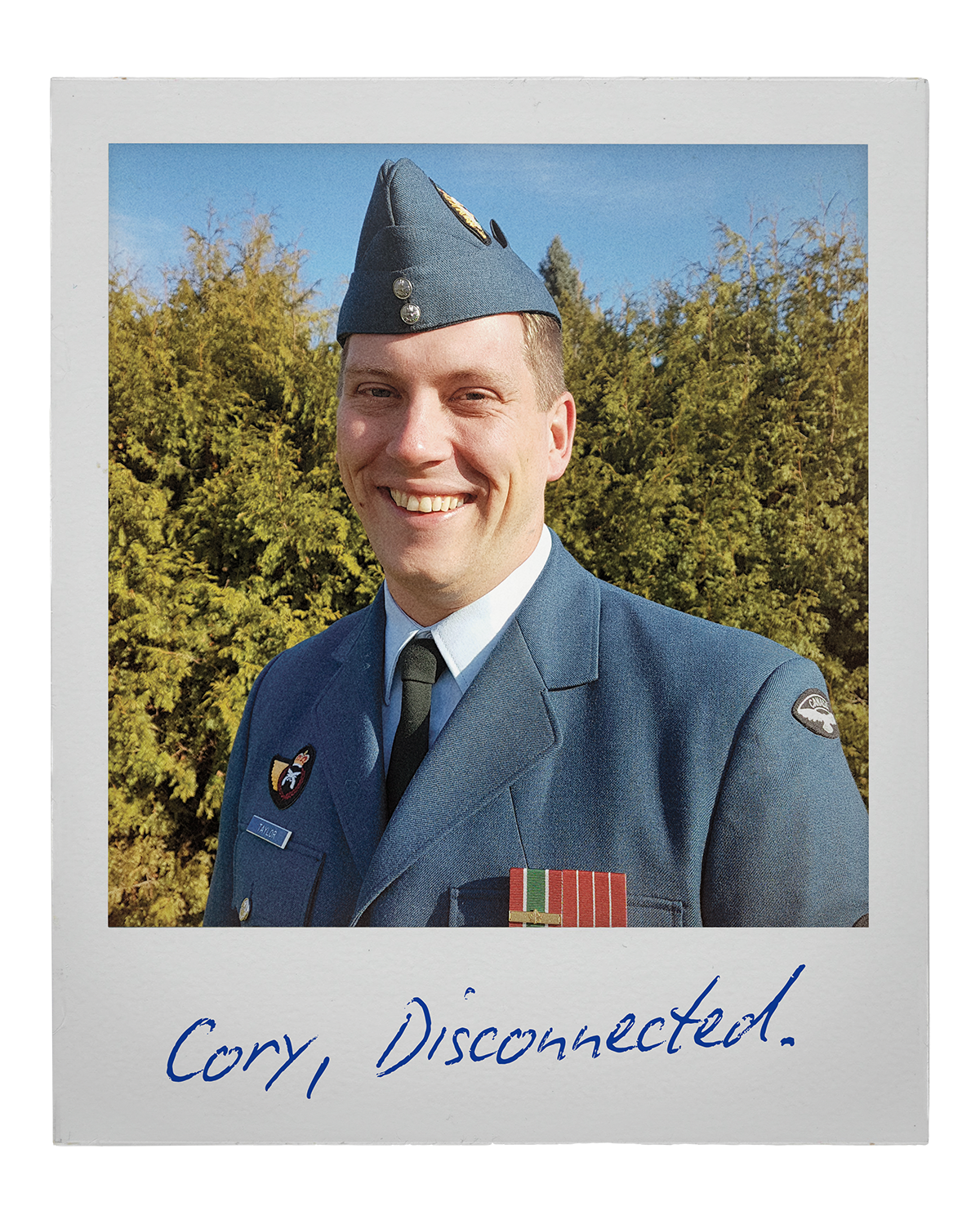
When I was a kid, I used to watch war movies with my dad. He had a quiet reverence for those who served. He made sure I knew that my grandfathers had served in the RCAF during WWII, instilling in me that service was an important pillar of our family DNA.
So that’s who I became and all I wanted to do, my whole life, was serve. I enrolled in Police Technology in college. While at school, the calendar rolled over to September 11, 2001. The Twin Towers came down and Canada went to war. One of my fellow students was a recruiter for the legendary Black Watch regiment in Montreal and I seized my opportunity to join the Reserves.
I would continue with my police foundations coursework during the year, and complete military training in the summer months. My dad, who was getting sick, came out to see me during military training. I caught him watching us out on the parade ground. In that moment it was like I was a little kid again. I saw that same pride and passion in his face, but this time it was directed at me. He passed soon after that. At the funeral I saw a wreath of thistles that had been delivered to the church, sent from the Black Watch. I could feel my new military family embracing me. I could feel the tradition, regimental pride and a sense of belonging I had never encountered before. It felt like family. The Black Watch also happened to be where I met my future wife, cementing the legacy of the regiment into my story.

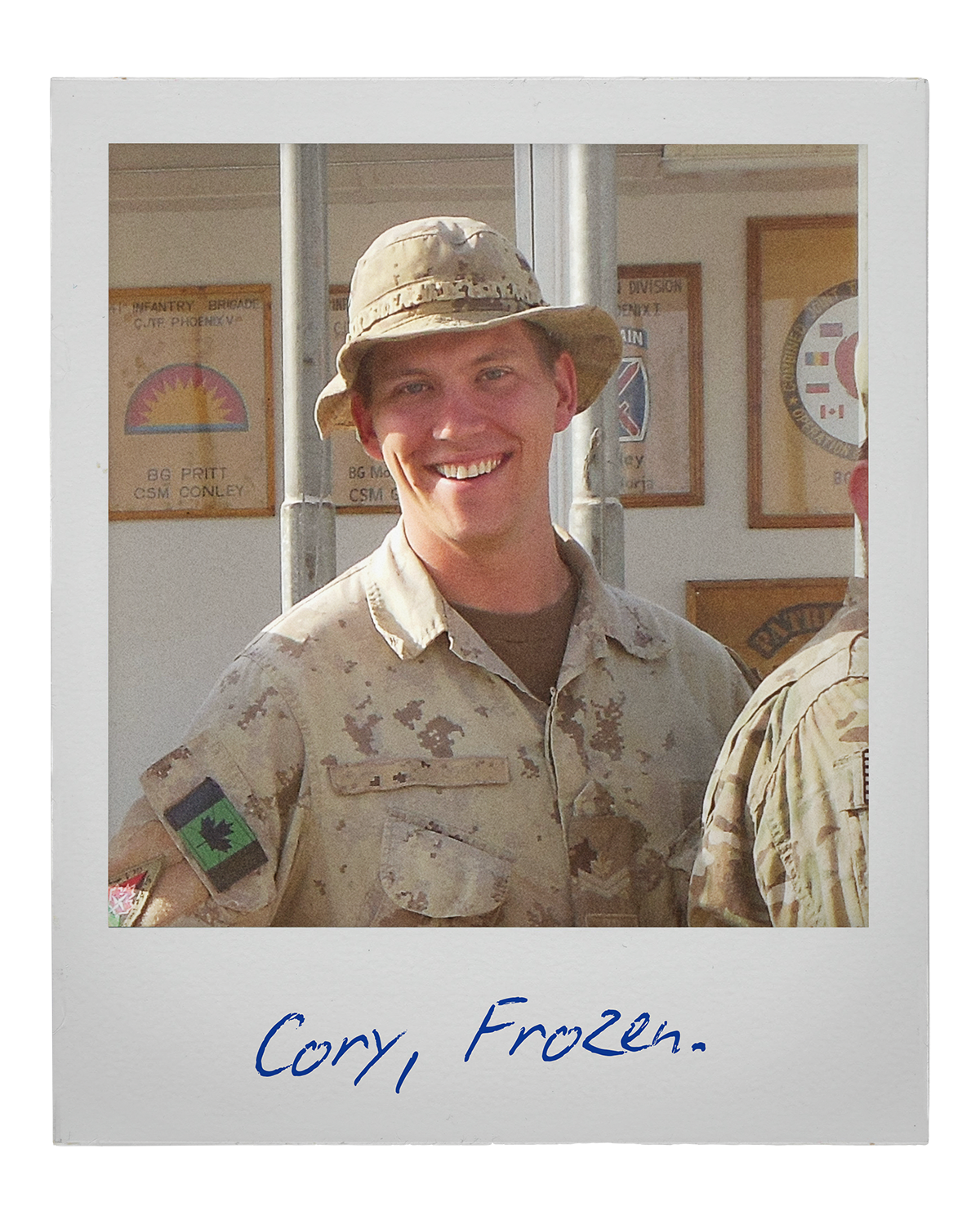
I joined the Regular Force in 2006 where I served as a frontline Military Police patrolman until I was accepted for a posting to the major crime investigation unit, the Canadian Forces National Investigation Service. That was also my chance to deploy overseas. In 2011 it was my turn for a tour. I’d been thinking of that moment since I was five years old and I left Canada promising my wife that “I’m coming back. Don’t worry. Everything will be fine.”
I got to Kabul in the middle of the night. Despite Canada no longer participating in combat operations in Afghanistan, the war was still raging around us. I was only tasked to play a supporting role for the deployment, investigating incidents involving Canadians in theatre, but that didn’t protect me from the Taliban. I experienced convoy ambushes, including an enemy’s bullet that shattered the car window right next to my head, and rocket attacks so close it sounded like the earth was tearing in two. I finished my tour in one piece, but I didn’t realize the toll it had taken until I was safely back home, lovingly surrounded by my wife and two children.
After I returned home, I travelled frequently as investigations took me around Canada. I was proud of the job I was doing, and this was not Afghanistan. But the comradery of the Black Watch that had drawn me to the military was gone; replaced by the politics and sour relationships of office life. I was in Canada, but I never really felt like I was home, anymore. That’s an experience that’s hard to describe unless you’ve lived it yourself.
I was also experiencing something new to me, it was persistent and undeniable. I was irritable. I was anxious. One day, I went to a mandatory presentation about PTSD, then it clicked. I read on a slide describing the symptoms of PTSD exactly what I was experiencing. I was so reluctant to admit it at first, but I realized I had broken my promise to my wife. I needed to get better and return home healthy, as I said I would. I went to therapy and I was symptom-free for a long while, coping as best I could. But my work environment didn’t cooperate with my plan for healing and as the toxic atmosphere of my office worsened, my mental health did, too.
People understand when you can describe one large traumatic event that changes your mental health, but so often it’s the accumulation of many negative events that lead to a mental health disability. After months of accumulated work stress, a toxic office culture and family strain; I sat at my Sergeant Major’s desk when he told me that despite all I had achieved, I was being transferred to the worst posting the Canadian Military Police had to offer, in the middle of nowhere. It was the ultimate betrayal from the military family I had sacrificed so much for. That’s when I had my first dissociative experience. “Sir, I know you’re talking, but I can’t understand you and I can’t move.” I was taken to urgent care at the military hospital and diagnosed with a relapse of post-traumatic stress disorder, complicated by the severe moral injury that followed the trauma. I hadn’t kept my promise to my wife. I was broken.

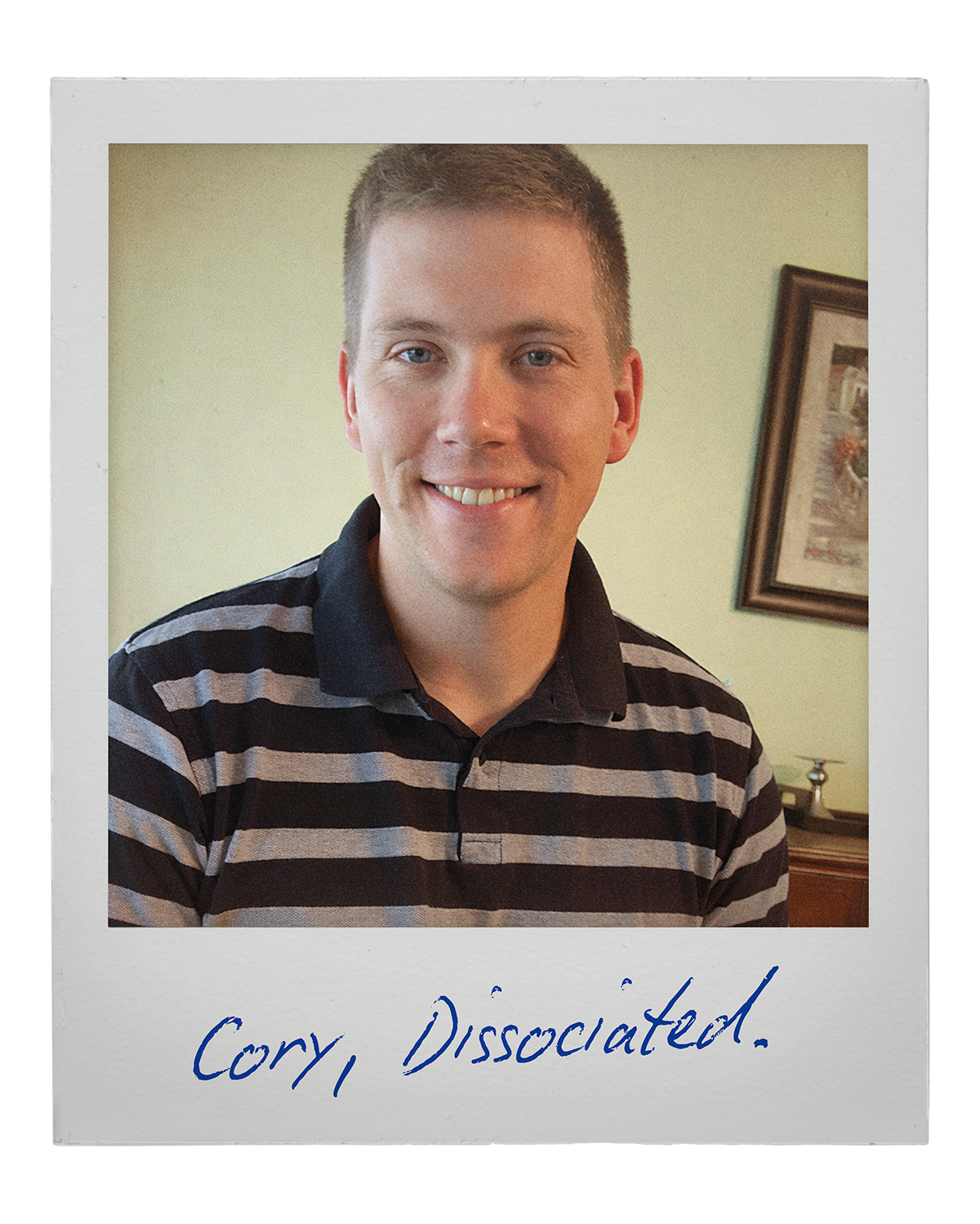
When you lose your use to the military and you can no longer be deployed, it means you’re out. Medically released. The family that I had found after losing my dad was gone forever. The career I loved had vanished. My identity: the person I knew I was and had been so proud of, was dead. I was consumed with dealing with my symptoms. I couldn’t feel the way I used to. I couldn’t leave my home, let alone be the father I wanted to be or the husband my wife deserved. I might as well not have come home at all, because I had become a burden to my wife and children.
But I was going to fight! I was going to do anything I could to give my family everything I had left. I leaned into what I’m best at: switch on investigator mode and start digging. I researched treatments and medications for my symptoms, hoping to learn about the next miracle that could bring the old Cory back. I learned about a Special Forces operator in the US who was treated for the anxiety brought on by PTSD with something called Stellate Ganglion Block (SGB). It was a simple and inexpensive procedure which he described as painless but game-changing. A very fine needle is used to inject a temporary anesthetic (similar to what a dentist would use) into a star-shaped bundle of nerves at the base of the neck that reset the “fight-flight-or-freeze” response. I poured into the research that was available online and learned all I could about the procedure. The SGB was being provided to patients in Canada, but for nerve pain, not anxiety.

I brought my research to Dr. Rebecca Gomez, the Psychiatrist who was treating me at The Royal’s Operational Stress Injury clinic. She had never heard of the SGB but gracefully accepted my research and promised to look into it before our next appointment. Two weeks later, I received a phone call from Dr. Gomez. She had kept her promise and was so excited about the potential of the SGB treatment that she had found an equally excited doctor, Dr. Dan James, at the Ottawa General Hospital, pain clinic, that was willing to try the treatment on me.
Only two more weeks later, Dr. Gomez accompanied me to get the procedure done. The injection was simple enough. And almost immediately it felt like the volume of the world had been turned down. I walked out of the hospital, and into the Canada I had grown up in. It was like for the first time since I left for Afghanistan, I had returned home. The feeling of countless unnamed threats that had been stalking me from the corner of every room, wandering in every crowd, or invisibly lurking in the open sky, faded. It had worked. With my anxiety under control, I was finally able to use the skills I had learned with my Psychiatrists and Psychologists to deal with my other PTSD symptoms. I was finally on the road to be the husband and father my family deserved.
Help more people like Cory reclaim their lives from mental illness and addiction. Donate today and be one of 15,000 gifts needed to secure a generous $1 million donation.
At The Royal, we listen when mental illness speaks, but it’s never louder than the voice of our patients. Sharing their stories helps break down stigma and reclaim their identity.
Stay informed about what’s happening at The Royal with our newsletter. Typical features include updates on exciting research, patient success stories, community impact, fundraising campaigns and new treatment programs.
1145 Carling Ave.,
Ottawa, ON K1Z 7K4
(613) 722-6521
1141 Carling Ave.,
Ottawa, ON K1Z 7K4
(613) 722-6521
1804 Highway 2 E, P.O. Box 1050,
Brockville, ON K6V 5W7
(613) 345-1461
2121 Carling Ave.,
Ottawa, ON K2A 1H2
(613) 722-6521

We use cookies to improve your experience on our website. To learn more, read our privacy policy.