Michael’s Story: From recovery to reinvention
June 18, 2026

For Karmi, that divide came when she was 17, just as she was preparing to step into the next chapter of her life.
"One day I was this sort of version of myself that I really loved," she says. "And then suddenly, I woke up, and I was somebody else."

Karmi was in her final year of high school when she experienced psychosis. From the outside, there were no obvious warning signs. She was doing well in school, keeping up with activities and moving through life the way she always had. To Karmi, it felt like it came out of nowhere.
When she thinks back to what psychosis felt like, the first word that comes to mind is fear.
“You become this person that you don’t want to be. You act out of fear.”
That fear changed everything. Karmi could no longer trust her own thoughts. Her sense of what was real had become distorted, and she could not understand that the people around her were trying to help. The hospital, which was meant to be a place of safety, felt frightening and unfamiliar.

What made the experience so painful was how much of herself Karmi felt she had lost.
Before her illness, she describes herself as high-achieving, motivated, compassionate and driven.
Growing up, Karmi spent long days outside with her sister, played guitar and took music lessons. Music gave her a way to express herself. It gave her connection. It brought light into her life.
School was where Karmi could shine. She had a close group of friends, was involved in clubs and activities, and did well in her classes. When life at home felt stressful, school became a place where she felt seen.
Her episode of psychosis changed everything.
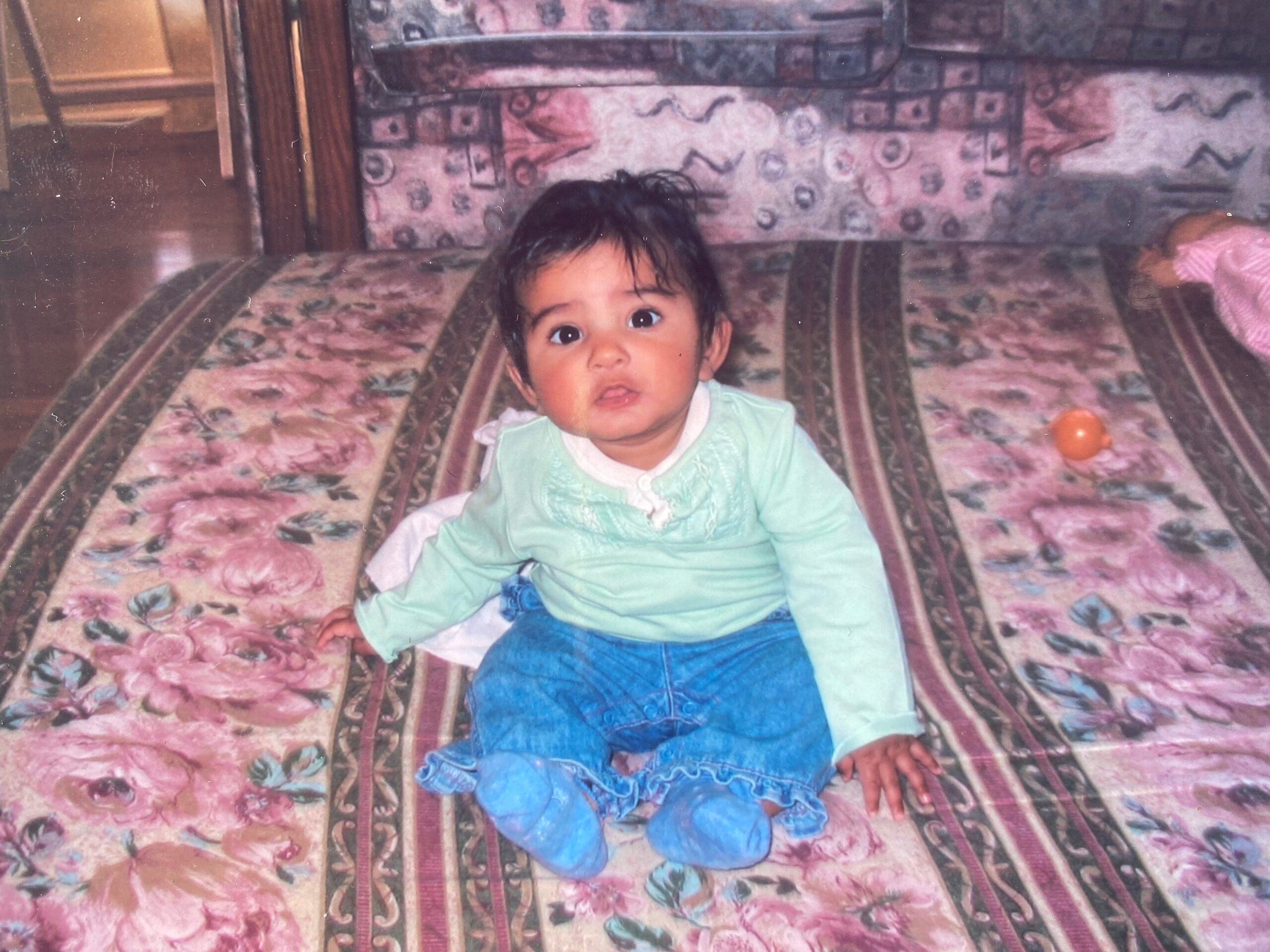
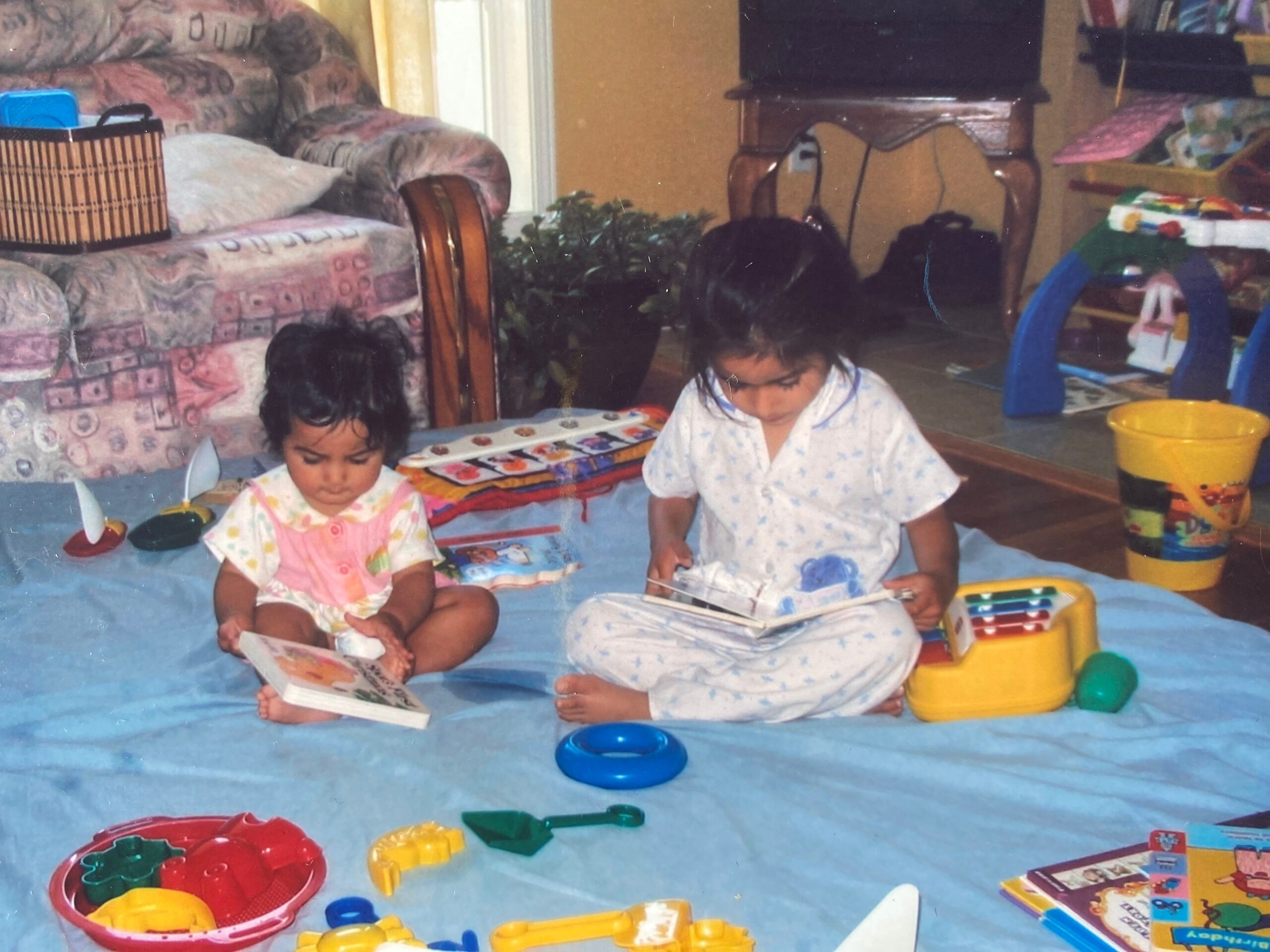
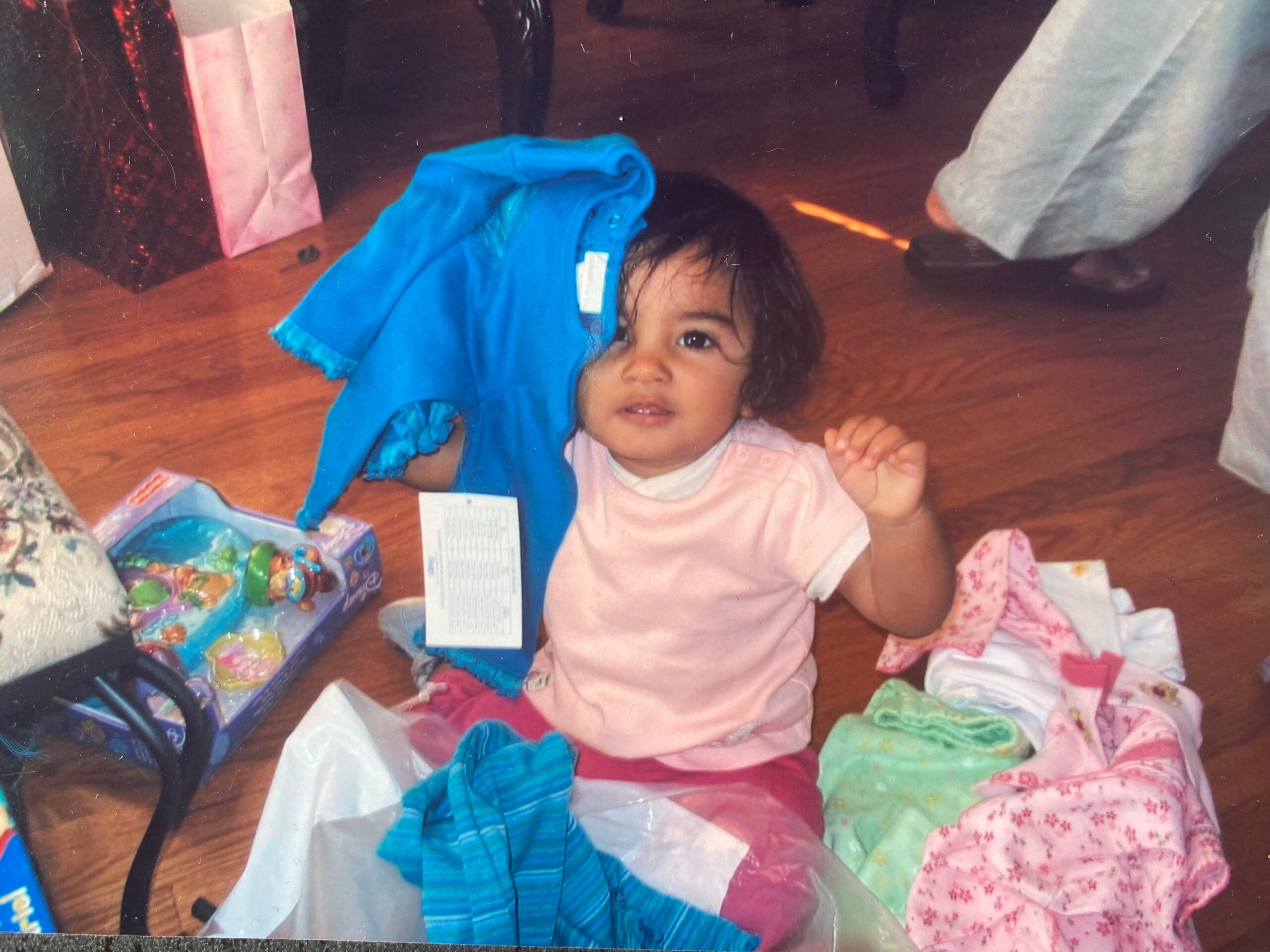

Eventually, the immediate crisis passed. Karmi was discharged from hospital and life around her seemed to move forward.
When she returned to school, Karmi tried to carry on as though nothing had happened. She kept the experience to herself.
Part of that silence came from shame.
She worried about what people would think if they knew. She worried about what her family had been through. “This big thing happened, and everyone just moved on. And here I was, left with something so heavy,” Karmi reflects.
She was trying to rebuild her life, while carrying a story she felt she couldn’t share.



Starting university should have felt like a fresh start. Instead, it brought new challenges.
Karmi began her undergraduate degree in neuroscience and mental health just months after leaving the hospital. The transition was difficult, but she kept going. Each year became a little easier than the one before.
Still, studying mental health meant hearing classmates speak about psychosis as though it only happened to “other” people — not to their friends, their loved ones, or someone sitting beside them in class.
She remembers comments shaped by harmful stereotypes: assumptions that people living with psychosis were violent, unpredictable or fundamentally different.
“It felt, for me, that both couldn’t be true. That I couldn’t be Karmi: a compassionate, resilient, high-achieving person and also have this illness.”
Today, she sees that differently.
Meeting others who have been through similar experiences helped her challenge some of the beliefs she carried about herself. “I was just a kid,” she says. “I was 17.”

When Karmi first arrived at The Royal, trust did not come easily. “It was very difficult for me to trust that the people around me were there to help,” she recalls.
Then she met a doctor she has never forgotten. “That was like a light for me,” Karmi says. “He was the first person that I felt safe with.”
Karmi’s experience highlights the importance of specialized care. At The Royal, the combination of expertise and human connection helped Karmi begin to find her way forward.
“Severe mental illnesses involving psychosis can be among the most painful, isolating, and disorienting experiences a person and family can face," says Dr. Alexandra Baines, psychiatrist at The Royal. "Yet these illnesses are treatable, and there is reason for hope. Starting with early intervention and continuing through every stage of illness, coordinated, team-based care—like the compassionate care we strive to provide at The Royal—can improve symptoms, quality of life, and daily functioning while helping people stay engaged in their recovery.”
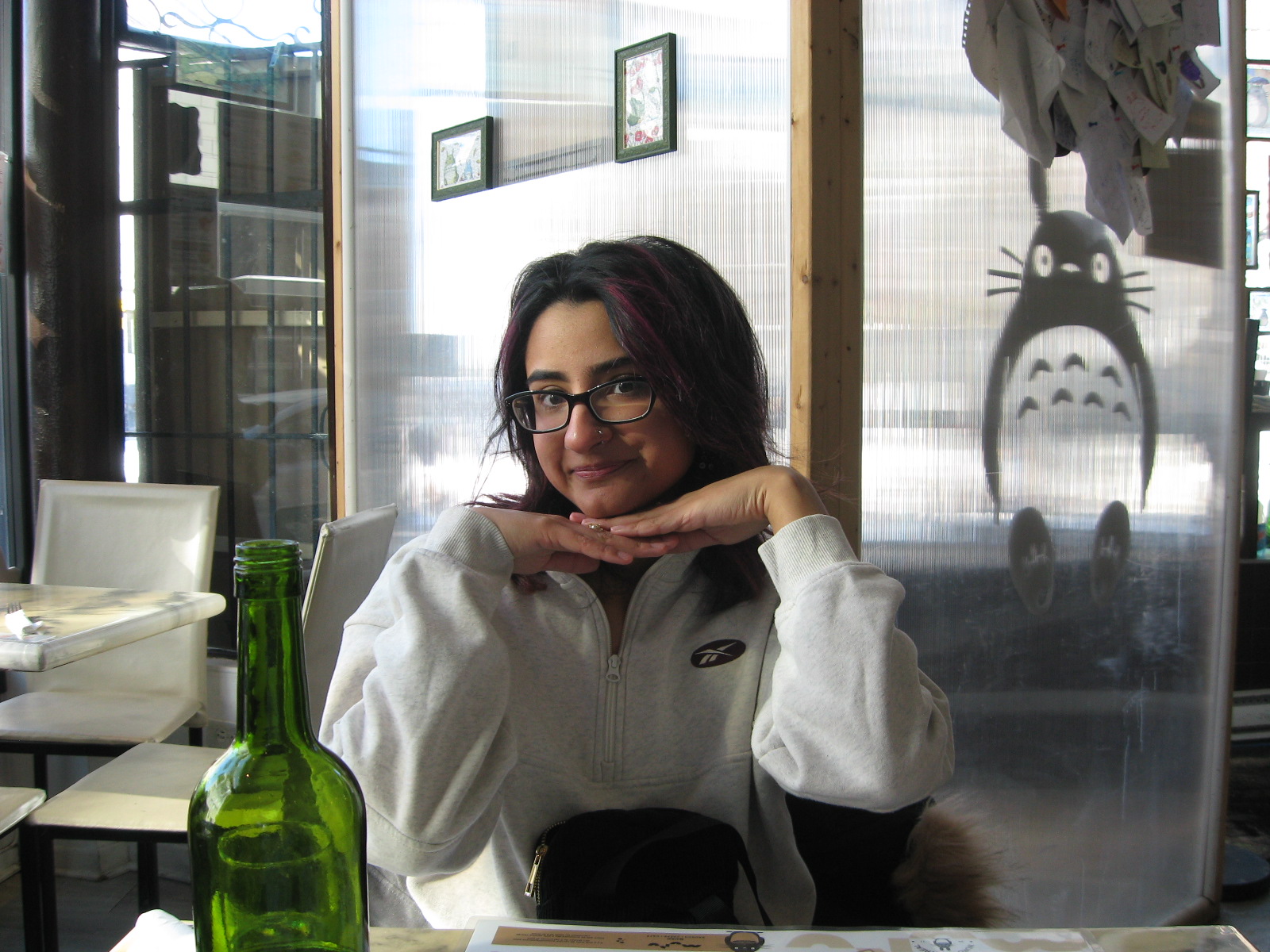
Looking back, Karmi sees her experience differently than she once did. Mental illness has taught her that a diagnosis does not define a person. It does not erase their strengths. It does not determine their future.
She believes many people still see mental illness as something distant — something that happens to someone else.
That belief is one reason Karmi supports The Royal through volunteering and fundraising. She wants more people to understand that mental illness affects families, friends, neighbours and entire communities — and that with the right care, people can find their way back to themselves.
Today, Karmi continues to help others see mental illness differently: not as the end of a future, but as one chapter in a much larger story. If there is one thing she hopes others take from her journey, it is this: “It’s not the end of your story.”
Despite how common mental illness and addiction challenges are, access to effective care remains out of reach for many. Most will struggle in silence or never receive care that works for them. That is unacceptable. We need to act now.
At The Royal, we listen when mental illness speaks, but it’s never louder than the voice of our patients. Sharing their stories helps break down stigma and reclaim their identity.
Stay informed about what’s happening at The Royal with our newsletter. Typical features include updates on exciting research, patient success stories, community impact, fundraising campaigns and new treatment programs.
1145 Carling Ave.,
Ottawa, ON K1Z 7K4
(613) 722-6521
1141 Carling Ave.,
Ottawa, ON K1Z 7K4
(613) 722-6521
1804 Highway 2 E, P.O. Box 1050,
Brockville, ON K6V 5W7
(613) 345-1461
2121 Carling Ave.,
Ottawa, ON K2A 1H2
(613) 722-6521

We use cookies to improve your experience on our website. To learn more, read our privacy policy.