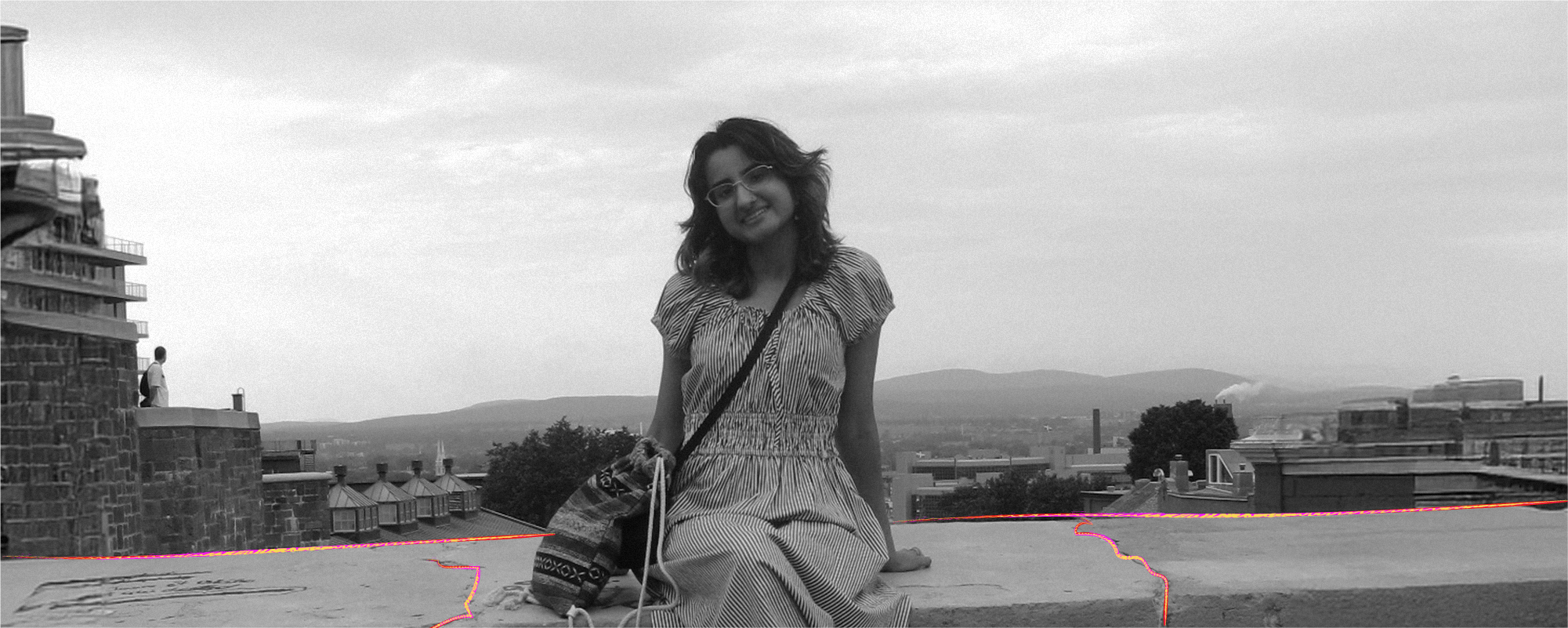
Karmi’s Story: Finding light after dark
August 20, 2026

It’s waking up after a good night’s sleep with energy for the day ahead. Making plans. Picking up her knitting needles and creating something new.
“That’s what feels ‘normal’ to me,” she says. “You’re looking forward to doing things that day.”
But, for much of her life, that feeling was fleeting.
Depression gradually affected how she thought, felt and connected with the people around her. At times, getting out of bed was a tall order. She struggled to concentrate and make decisions. Most painfully, she started to lose sight of her own worth.
“I lost myself,” she says. “I didn’t think I was worth anything.”

Mary-Ellen grew up in northern Quebec on a reserve with her family, surrounded by woods, water and animals. She lost her mother when she was five. She moved between homes, experienced abuse and faced disruptions to her schooling. When she came to Ottawa, she struggled to fit in and was afraid to make friends. Yet she also carried good memories: learning to knit from her father and exploring the bush with her older sister. Animals and nature offered comfort through an unsettled childhood.
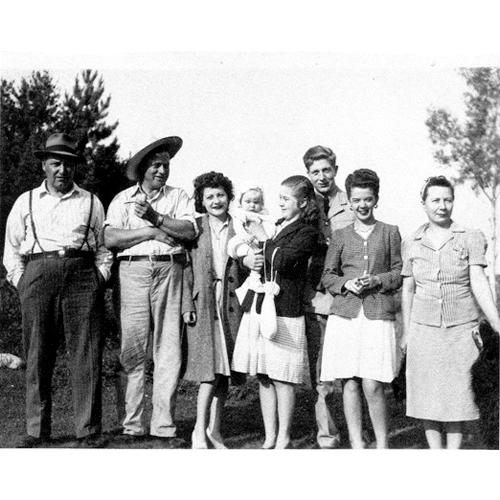
At 15, she met Bill, the man who would eventually become her husband. They would spend 63 years together, raising a family and building a life. Through it all, Mary-Ellen worked, read, knitted and created.
Over the years, however, she faced repeated physical health challenges. Her mental health became increasingly difficult to manage.
“The mental illness developed slowly over time,” she says. “At least it did with me. It got worse and worse and worse.”
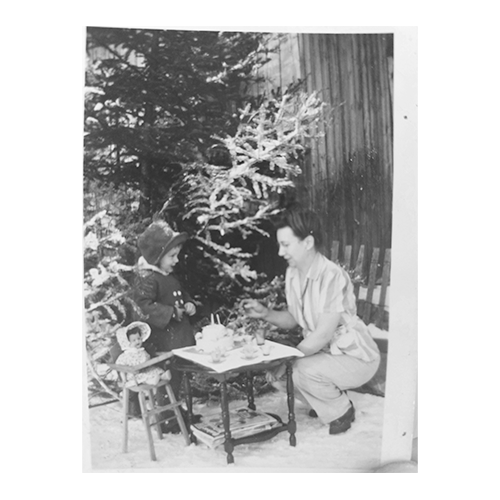
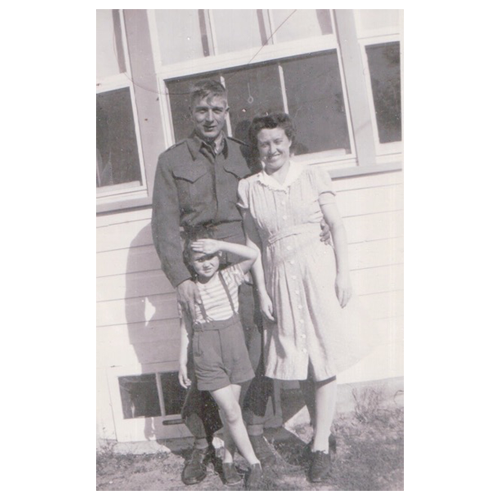
At times, the trauma became more than Mary-Ellen’s mind could process. She would black out — what she describes as her mind shutting down when everything became too much. One day, while walking through St. Laurent Shopping Centre, she lost consciousness. Her next memory was waking to first responders and people gathered around her. The experience was a wake-up call: she knew something was wrong and that she needed help. It ultimately connected her with a doctor who helped her access psychiatric care.
Mary-Ellen spent years working with psychiatrists who helped her understand and manage her mental illness, but she still didn’t feel quite right — even after trying many different medications and therapies. Eventually, her psychiatrist connected her with repetitive transcranial magnetic stimulation, or rTMS, at The Royal.

One in three people in Canada will experience a mental illness or addiction in their lifetime. Among people living with mental illness and addiction, one-third won’t get better with the treatment options available today. For people with difficult-to-treat depression, this means trying multiple medications and therapies without finding relief. Their experience emphasizes the need for groundbreaking treatments such as rTMS — and continued development of more evidence-based treatments when existing ones aren’t enough.
rTMS uses magnetic pulses to stimulate brain circuits involved in mood regulation. For people whose depression hasn’t improved with medication, psychotherapy or other treatments, it can offer another option. The Royal was recently selected as the only publicly funded rTMS provider in the Ottawa-Champlain region, helping more people access this specialized care.
For Mary-Ellen, rTMS was the life-changing treatment she’d been wishing for.
The change wasn't immediate. Over several weeks, she began noticing gradual improvements. She could concentrate again. Decisions became easier. She began enjoying the small things again.
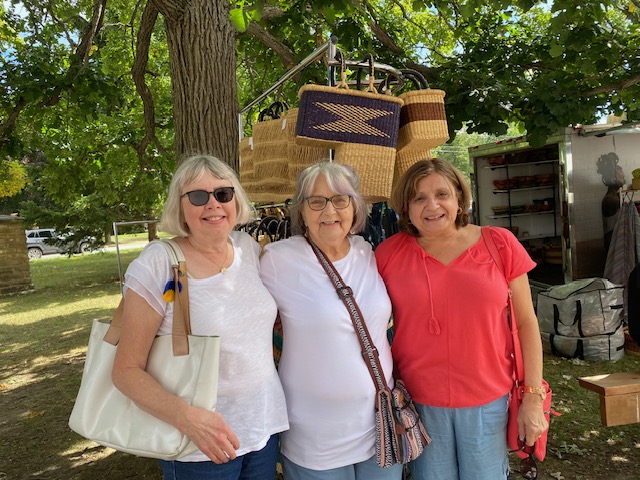
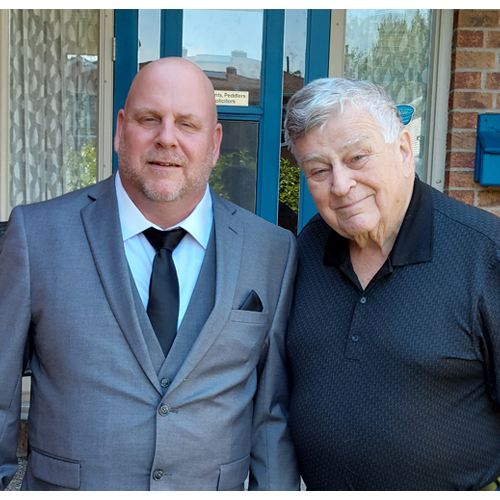
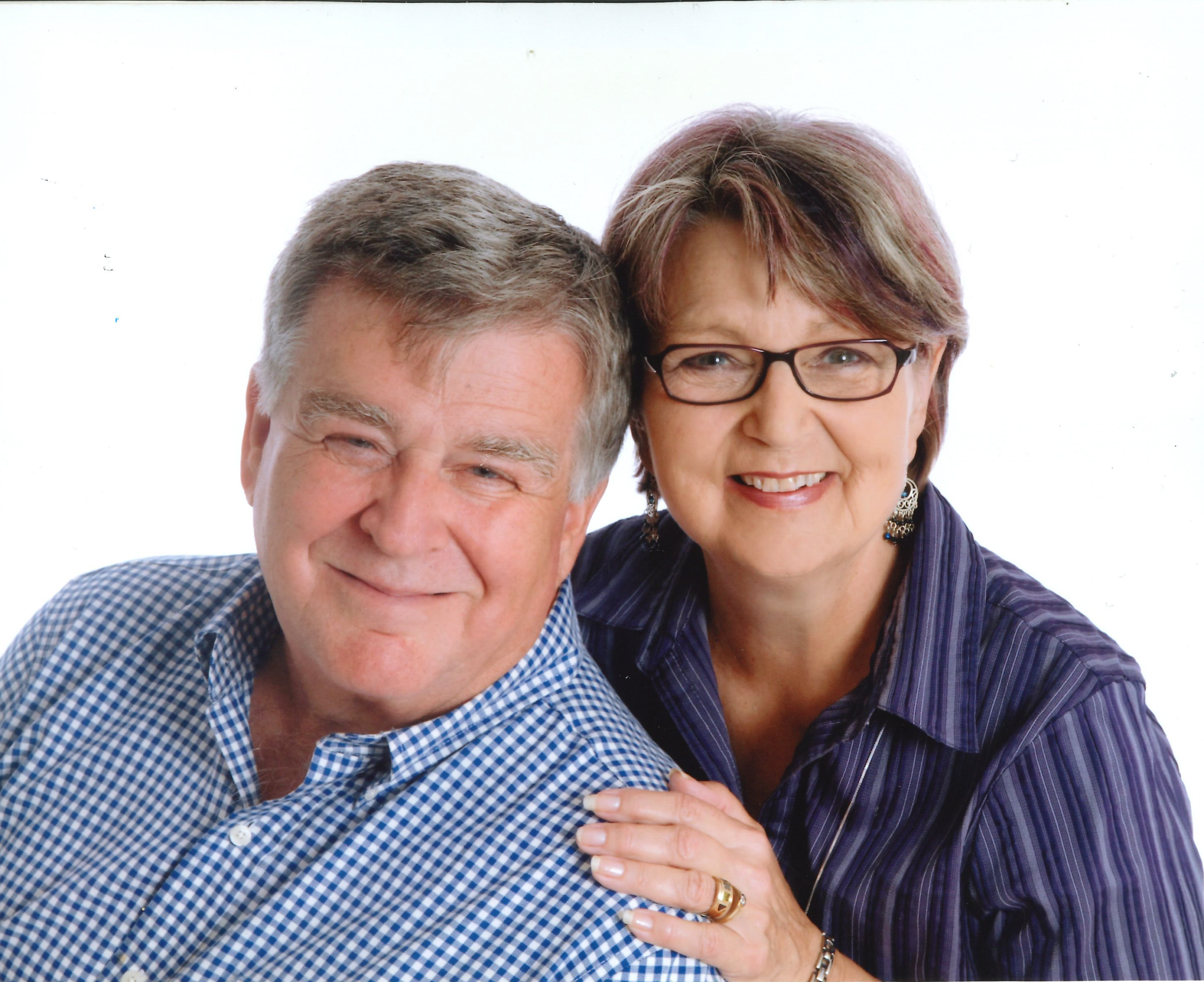
“I felt like I was who I was supposed to be,” she says. “I was who I was supposed to be in my body and my mind.”
Years of psychiatric care had helped Mary-Ellen understand her illness. With rTMS, she experienced something different: feeling like herself again.
Treatment also helped Mary-Ellen recognize when she needed support. After Bill died and her life changed, she knew it was time to seek help again.
“I feel like I can handle anything now,” she says. “But I also know that I need the help.”

At 83, Mary-Ellen wants to help break the silence she remembers surrounding mental illness.
She talks openly with friends and family about seeking help and wants others to know there is nothing shameful about needing treatment for mental illness.
“I really believe that mental illness doesn’t define us,” she says.
For Mary-Ellen, reclaiming her life doesn’t mean becoming someone new. It means finding her way back to herself — to the ordinary things that make life feel normal again: making plans, creating, asking for help when she needs it and looking forward to what tomorrow might bring. These are the parts of life that mental illness and addiction can take away — and that, with the right care and support, people can reclaim.
And now, she hopes sharing her experience might make it easier for someone else to do the same.
“All I want to do is help,” she says.
Despite how common mental illness and addiction challenges are, access to effective care remains out of reach for many. Most will struggle in silence or never receive care that works for them. That is unacceptable. We need to act now.
At The Royal, we listen when mental illness speaks, but it’s never louder than the voice of our patients. Sharing their stories helps break down stigma and reclaim their identity.
Stay informed about what’s happening at The Royal with our newsletter. Typical features include updates on exciting research, patient success stories, community impact, fundraising campaigns and new treatment programs.
1145 Carling Ave.,
Ottawa, ON K1Z 7K4
(613) 722-6521
1141 Carling Ave.,
Ottawa, ON K1Z 7K4
(613) 722-6521
1804 Highway 2 E, P.O. Box 1050,
Brockville, ON K6V 5W7
(613) 345-1461
2121 Carling Ave.,
Ottawa, ON K2A 1H2
(613) 722-6521

We use cookies to improve your experience on our website. To learn more, read our privacy policy.