
Menu
Often, it's about helping them take one small step forward, and then the next.

If your mental illness and/or addiction needs are a medical emergency, or if there is a concern you might hurt yourself or someone else, call 9-1-1 or go to your nearest hospital emergency department.
For non-medical emergencies, call or text Canada's National Suicide Crisis Helpline at 9-8-8.
Many people who are thinking about suicide drop hints or act in different ways that can sometimes clue you in that something is wrong.
If you see some of the warning signs, or you feel there’s something wrong, take action. Talk to your friend or loved one. Whether you go to them, or they start the conversation with you, here are some helpful tips.
Listen – first and foremost – without judgment and with an open mind. Don’t dismiss or minimize your friend or loved one’s stress, loss or experience. If it’s important to them, it’s important. Feelings aren’t wrong. They just are what they are, and need to be acknowledged and listened to.
Let them know you care, that they matter to you and you want to support them in any way you can.
Ask about suicide directly if you suspect your friend is thinking about it. People do not become more suicidal by talking about it and suicide is not an idea you can plant in someone’s head. It’s more likely that your friend or loved one will be relieved to be able to talk about how they feel and what they're going through. Use clear language like “are you thinking about suicide?” or “have things gotten so bad that you’re thinking of killing yourself?”
Help keep your friend or loved one safe. You can reduce access to lethal items (i.e. firearms, large amounts of medication) to help them stay safe.
Get help. If a friend tells to you that they are feeling suicidal, you may feel pressure to keep it a secret. This is one secret that you must not keep. Tell a trusted adult like a teacher, coach, guidance counselor or parent – no matter what time of the day or night it is. It is better to risk your friend being upset with you than risk losing them to suicide. You can also call a mental health crisis line for support, help them to the nearest emergency room, or call 9-1-1.
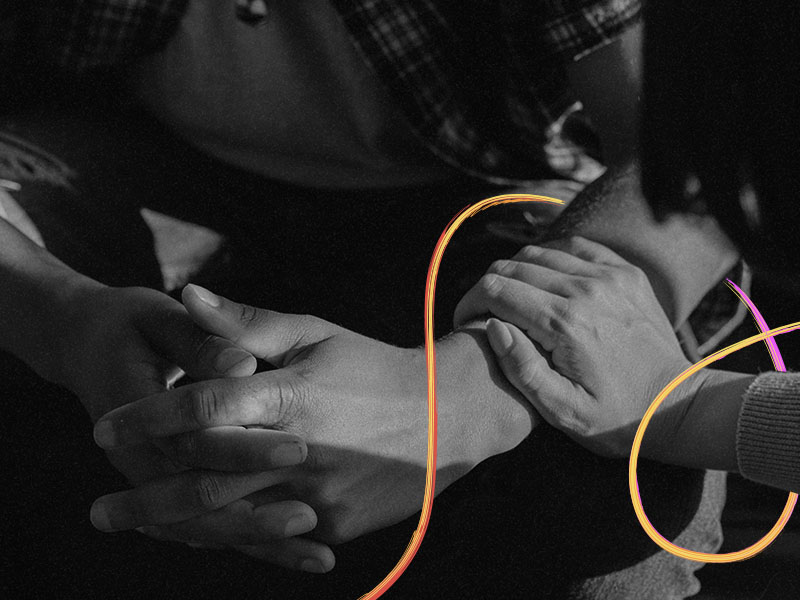
Behind every experience is a person, a family and a story.
Hear from people who have experienced mental illness, addiction or suicidal thoughts, as well as loved ones sharing the impact of supporting someone in crisis or losing someone to suicide. Together, these stories honour the many ways lives are impacted by mental illness, addiction and suicide, and remind us that no one needs to carry these struggles alone.

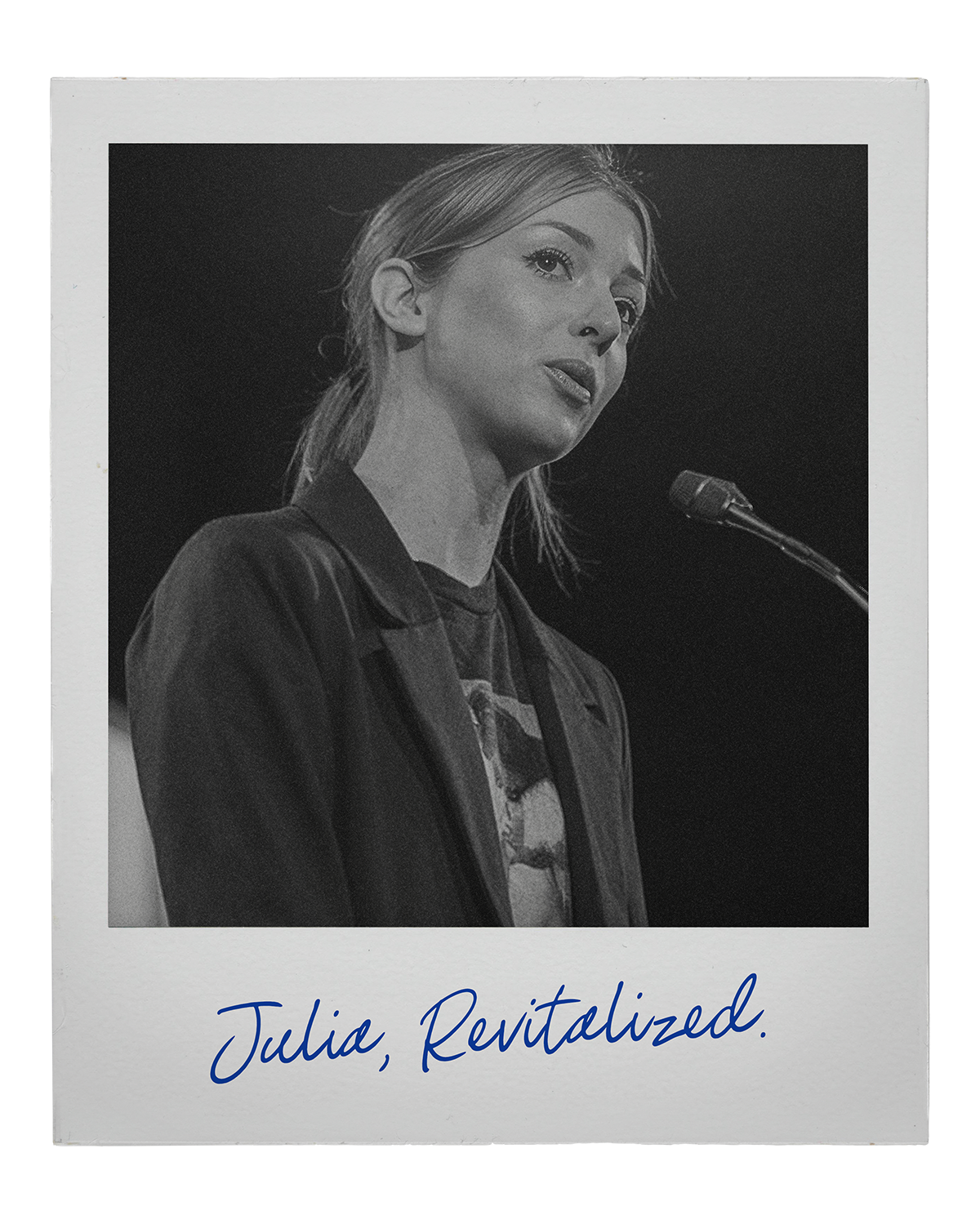
Every day I felt like I was pulling myself through mud. I had permanent anxiety tummy. I had no routine. I was so tired I couldn’t put it into words. I started missing a lot of school in grade 10. Right before grade 11 started I fainted. For the first time ever. I felt like I was actually dying. That was my first panic attack.

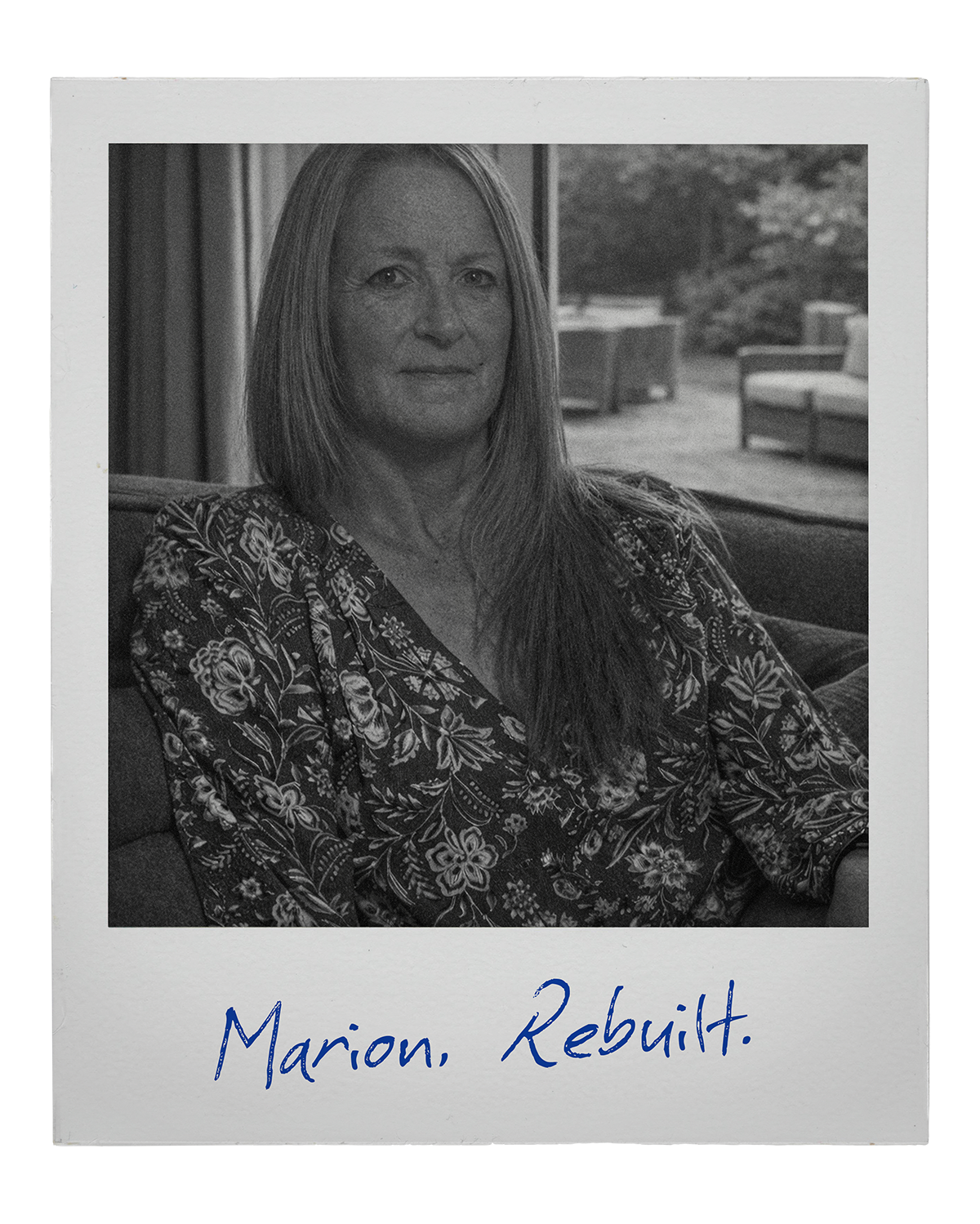
When I found The Royal, I was fighting for my survival. They diagnosed me with what’s called difficult-to-treat depression. This explains why nothing worked. Ever. Why I could do one thing one day and achieve results, but it wouldn’t work the next.
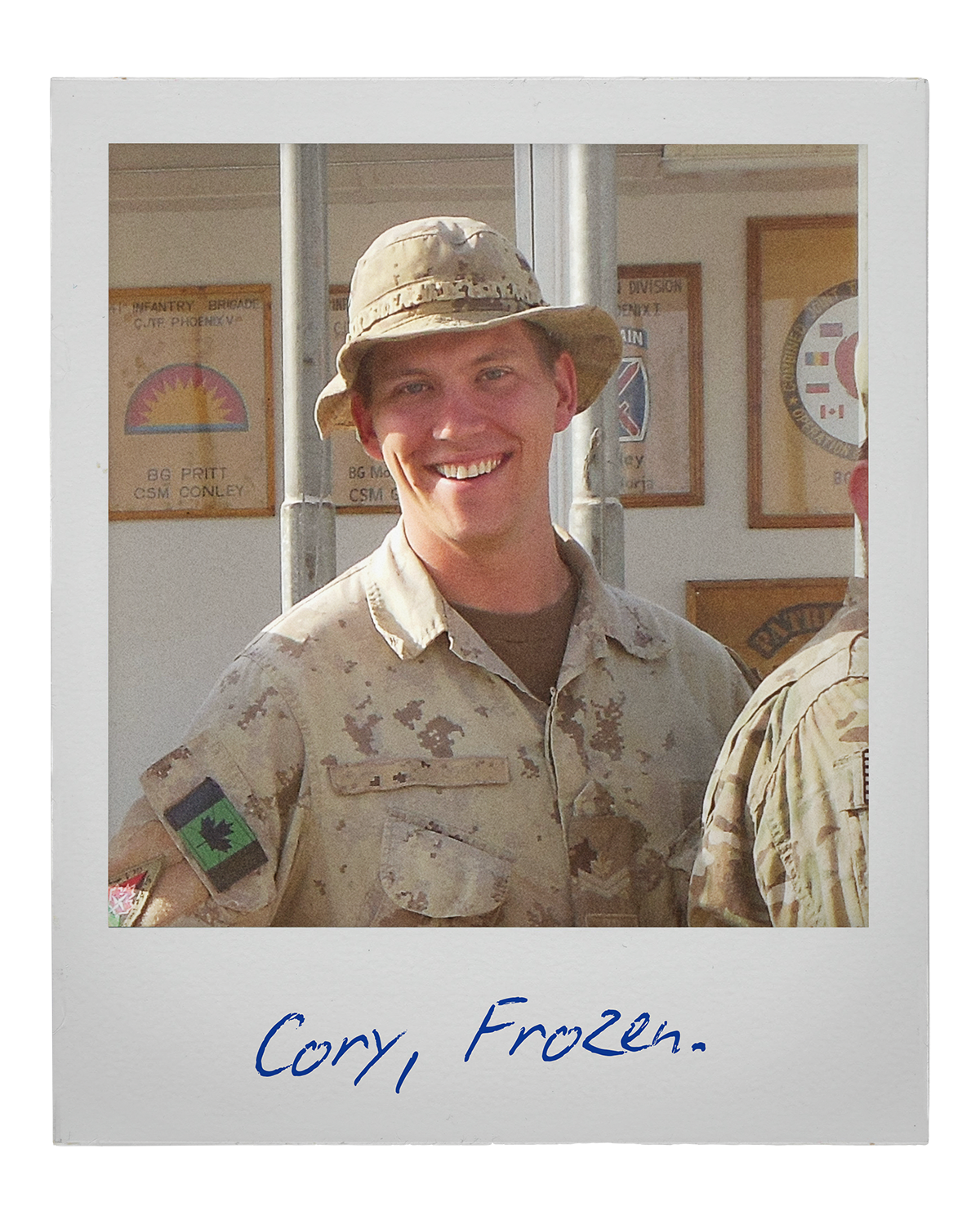

The career I loved had vanished. My identity: the person I knew I was and had been so proud of, was dead. I was consumed with dealing with my symptoms. I couldn’t feel the way I used to. I couldn’t leave my home, let alone be the father I wanted to be or the husband my wife deserved. I might as well not have come home at all, because I had become a burden to my wife and children.
For Cara Vaccarino, The Royal's President and CEO, the topic of suicide isn't abstract—it is deeply personal. After losing someone she loved to suicide, Cara knows firsthand of the devastation it causes. She's made it her life's purpose to help those who need it, when they need it.

Mental illness arrives without invitation, sparing no household, no partner, and no parent. For Lee, life changed in ways he never imagined – first through liberation, and later through loss.
of people have thoughts of suicide in their lifetime.
people in Canada die by suicide every day, on average.
1145 Carling Ave.,
Ottawa, ON K1Z 7K4
(613) 722-6521
1141 Carling Ave.,
Ottawa, ON K1Z 7K4
(613) 722-6521
1804 Highway 2 E, P.O. Box 1050,
Brockville, ON K6V 5W7
(613) 345-1461
2121 Carling Ave.,
Ottawa, ON K2A 1H2
(613) 722-6521

We use cookies to improve your experience on our website. To learn more, read our privacy policy.