Thirteen people in Canada die by suicide every day. Behind that number are individuals, families and communities whose lives are forever changed.
At The Royal, researchers are pushing the boundaries of suicide prevention by combining breakthroughs in neuroscience, artificial intelligence, brain imaging, genomics and rapid-acting treatments. Their work is driving a new generation of tools that aim to predict risk earlier, intervene faster and personalize care, positioning The Royal as one of Canada's leading centres for suicide prevention research and innovation.
By connecting discovery with clinical care, The Royal is helping advance how suicide risk is understood, predicted and treated while strengthening the evidence needed to provide timely intervention and ultimately save lives.
Meet the people driving the future of suicide prevention.
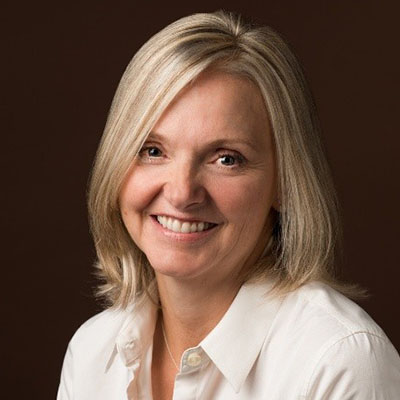
Advancing rapid-acting treatments for difficult-to-treat depression and suicidal ideation
Pierre Blier, MD, PhD, FRSC
An internationally recognized pioneer in mood disorders research, Dr. Blier has helped establish The Royal as a global leader in ketamine research and innovation. His groundbreaking work has demonstrated ketamine’s potential to rapidly reduce depressive symptoms and suicidal thoughts in people with difficult-to-treat depression, creating new hope for individuals who have exhausted conventional options.
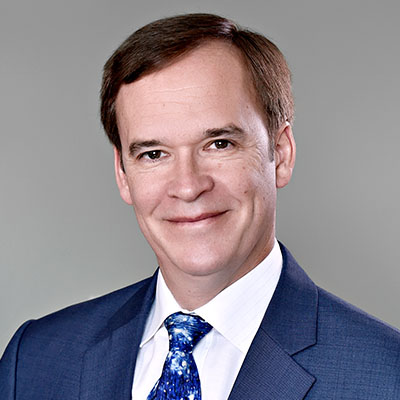

Unlocking the brain's signals to deliver precision mental health care
Natalia Jaworska, PhD
As Director of The Royal's Clinical EEG & Neuroimaging Platform, Dr. Jaworska is advancing a new era of precision psychiatry. Using cutting-edge multimodal EEG, MRI and PET imaging technologies, her research maps the brain circuits involved in depression and suicide risk. By identifying objective brain-based markers that predict illness and treatment response, she is helping drive a future where mental health care is personalized, proactive and informed by biology.
Harnessing artificial intelligence and genomics to transform suicide prevention
Zachary Kaminsky, PhD
As the DIFD (Do it for Daron) - Mach-Gaensslen Chair in Suicide Prevention Research, Dr. Kaminsky is leading some of Canada's most innovative suicide prevention research. By combining genomics, artificial intelligence and large-scale health data, he is developing next-generation tools capable of identifying suicide risk earlier and more accurately than ever before. His work is also pioneering new approaches to connect vulnerable youth with trusted support networks before a crisis occurs.
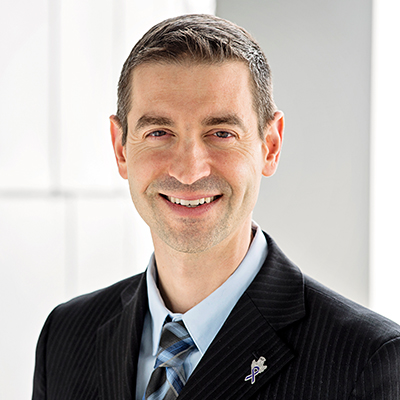

Using artificial intelligence to predict risk and accelerate intervention
Jennifer Phillips, PhD
Dr. Phillips is a clinical neuroscientist at the forefront of depression and suicide prevention research. Her work has advanced understanding of ketamine as a rapid-acting intervention for depression and suicidal thoughts. Today, she is helping lead the integration of artificial intelligence into mental health care through research that analyzes complex patterns in electronic health records, with the goal of identifying individuals at risk and enabling earlier, life-saving intervention.
Extending and enhancing the benefits of rapid-acting treatments
Jeanne Talbot, MD, PhD, FRCP
Dr. Talbot is advancing innovative treatment strategies for people living with severe depression and suicidal ideation. Her research explores how evidence-based psychotherapies can be combined with ketamine and esketamine treatments to prolong and strengthen their benefits. By bridging biological and psychological approaches to care, her work is helping define the next generation of treatments for individuals at highest risk.